Whiteout Survival Guide 2026: Heroes, Progression, Events & Essential Tips
A complete Whiteout Survival guide covering hero basics, Furnace progression, chief gear, State of Power, F2P priorities, and the mistakes to avoid early.
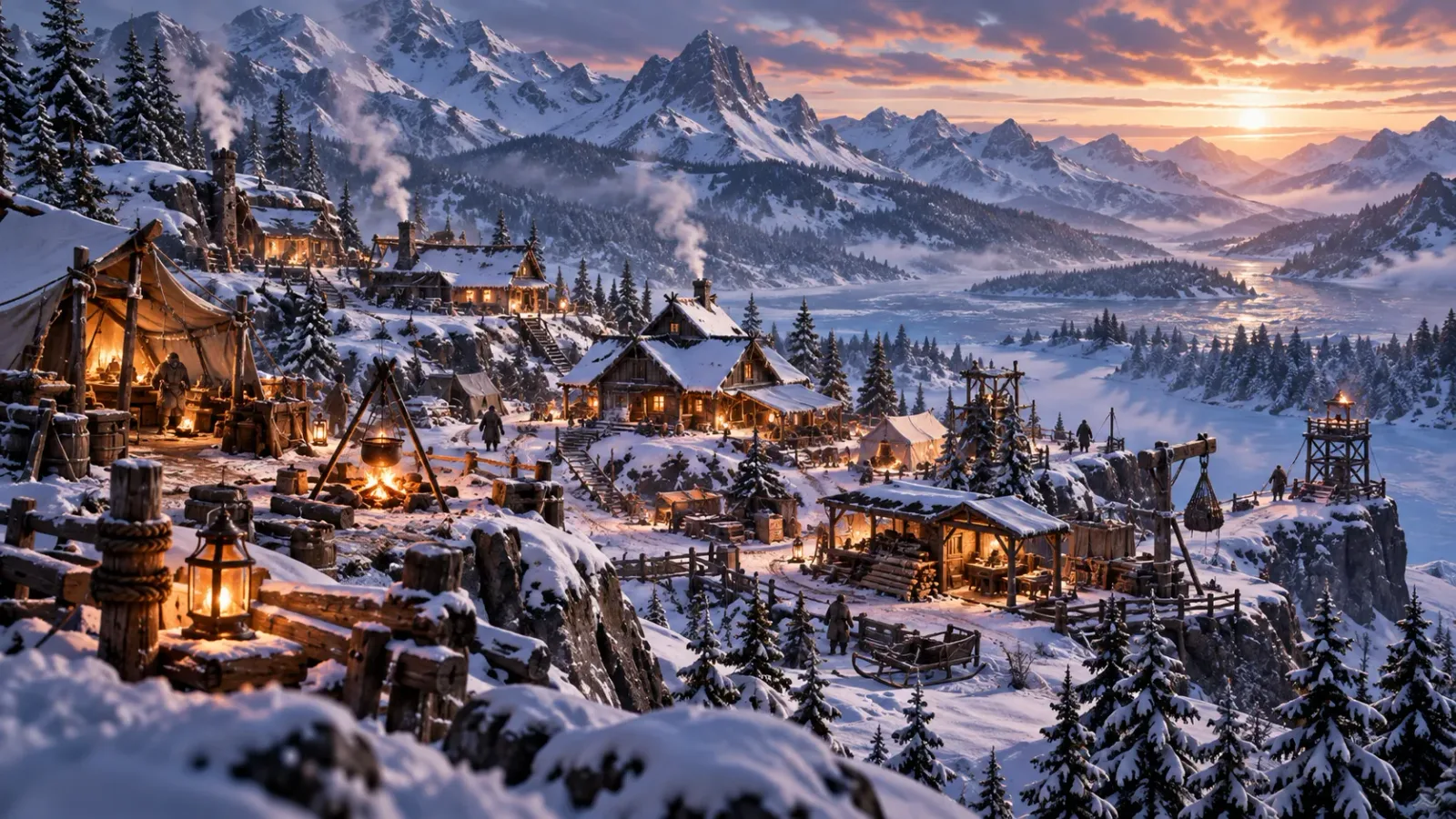
Whiteout Survival drops you into a frozen apocalypse where a failing Furnace, hungry survivors, and roaming Infected stand between your camp and long-term survival. Century Games' 4X strategy title has grown into one of mobile gaming's biggest hits since its February 2023 launch, and its systems (heroes, troop training, chief gear, alliances, and recurring competitive events) go deep fast. This guide is your starting map.
Quick Answer: What to Focus On First
If you only take one thing from this guide, it's this priority order for new and returning chiefs:
- Upgrade your Furnace steadily while keeping resource buildings (farms, lumber yards, coal mines, iron works) in sync with it. The Furnace unlocks nearly every other system, including Hero Gear.
- Build a core of five heroes (one tank, one lancer lead, one marksman lead, two supports) instead of spreading resources across your whole roster.
- Join an active alliance early. Alliance help speeds up construction, alliance events provide gear materials, and alliance territory matters directly in State of Power.
- Gear your chief evenly across all six slots rather than maxing one piece, to unlock set bonuses at 3 and 6 pieces equipped.
- Treat events, not just base building, as core progression. Bear Trap, Alliance Mobilization, and Crazy Joe are recurring sources of the manuals and materials that gate hero and gear growth.
Each of these gets its own detailed Cluster guide linked throughout this page. What follows here is the context you need to understand why these priorities matter and how the game's core systems connect.
What Is Whiteout Survival
Whiteout Survival is a 4X strategy and survival game developed by Century Games for iOS and Android, built around exploring, expanding, exploiting, and exterminating within a glacial apocalypse setting, with an added team-battler layer for hero combat. You manage a city built around a central Furnace that holds back the cold, train troops across three classes, recruit and develop heroes, and compete against other players individually and as part of a server-wide alliance. The game has run continuously since its 2023 global launch and receives regular new hero generations and seasonal events, which is why the systems below are worth understanding at a structural level rather than memorizing a single patch's numbers.
Core Progression: The Furnace and City Systems
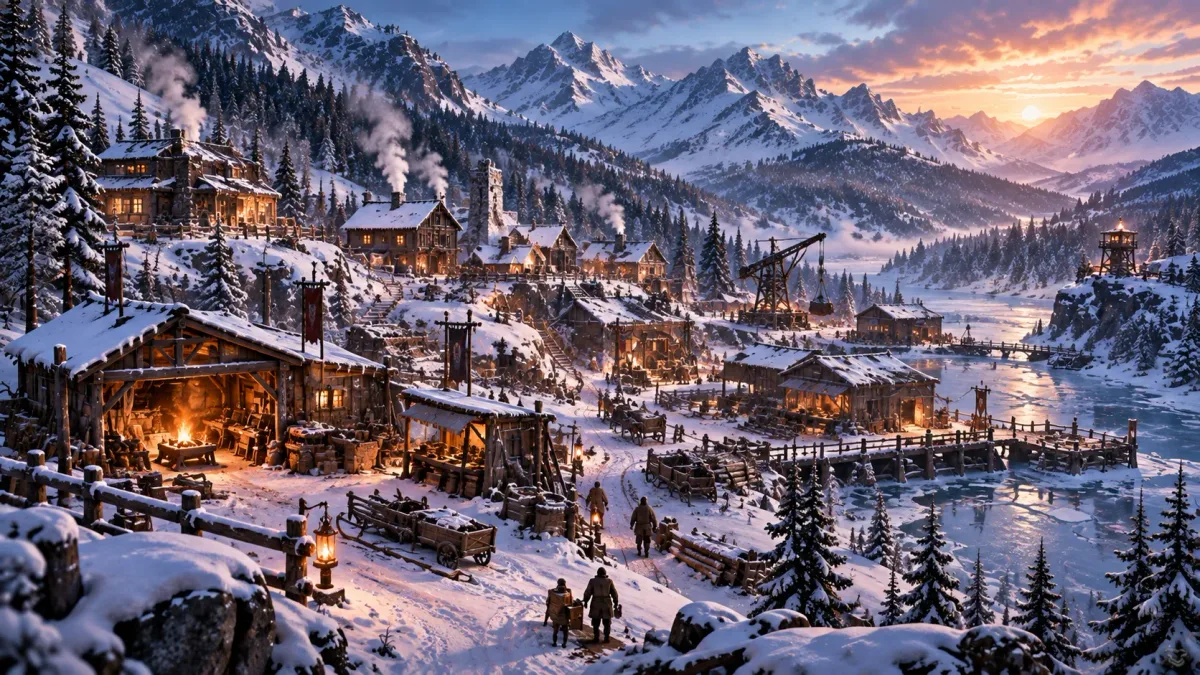
The Furnace is the building that determines almost everything else you can access. Raising its level unlocks new building tiers, research options, troop tiers, and, critically, Hero Gear once you reach the required level. Because of that, Furnace level is the single most-quoted progression marker among Whiteout Survival players and alliances, and it's usually the first stat other chiefs will ask about when sizing up your account.
That said, rushing the Furnace ahead of everything else creates a common failure state. A high Furnace level with underdeveloped troops, heroes, and resource buildings produces a city that looks strong on paper but loses fights to lower-level chiefs who built more evenly. The stronger approach is to treat the Furnace as the pace-setter and keep these systems moving with it:
- Resource buildings (farms, lumber yards, coal mines, iron works) need to scale alongside the Furnace so you don't hit shortages that stall troop training and gear upgrades.
- Troop training should keep pace across your three troop types rather than over-investing in just one.
- Research in the Tundra Tree and other research trees compounds over time, so consistent investment beats occasional large dumps.
Our beginner guide walks through this balance step by step, including which early milestones matter most and which common mistakes cost new chiefs the most time.
Heroes: The Basics

Every hero in Whiteout Survival belongs to one of three troop classes, and understanding those classes is the foundation for every other hero decision you'll make.
| Troop class | Battlefield role | What to look for in a hero |
|---|---|---|
| Infantry | Frontline tank, absorbs damage | Defense buffs, survivability skills |
| Lancer | Secondary damage and mobility | Balanced attack/defense, rally support |
| Marksman | Backline single-target damage | High attack skills, exploration damage |
Heroes also carry two separate skill sets: Expedition skills, used in PvP and general combat, and Exploration skills, used against map bosses and PvE content. A hero can be excellent in one context and mediocre in the other, which is why blanket "best hero" claims without context are usually incomplete.
New chiefs are generally best served building a five-hero core: one Infantry tank, one Lancer, one Marksman, and two supporting heroes, rather than trying to level a large roster at once. Hero manuals and experience are limited enough early on that spreading them thin slows everyone down.
Because hero strength shifts with each new generation Century Games releases, a specific ranked list belongs in a page that gets refreshed regularly rather than in this overview. See our hero tier list for current rankings, our heroes guide for full role and skill breakdowns, and best formations for how to combine heroes for PvP rallies versus PvE exploration.
Chief Gear: Upgrade Order at a Glance
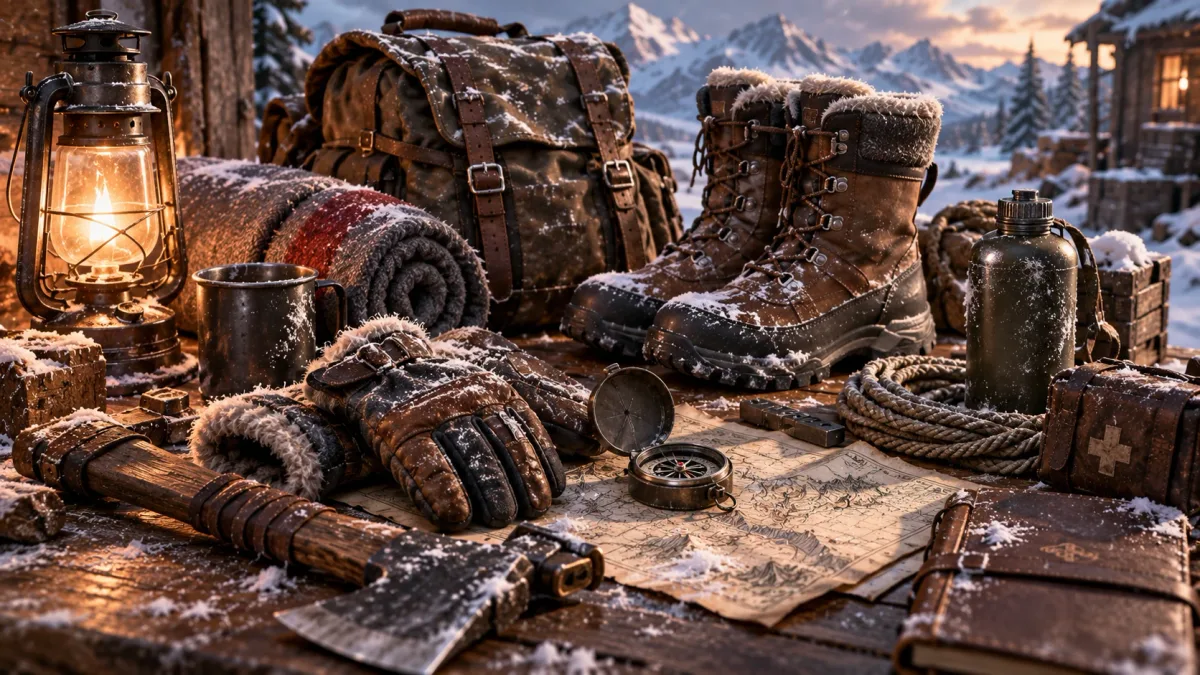
Chief gear sits separately from hero gear and boosts your whole account through set bonuses. The generally recommended approach is to upgrade evenly across all six pieces rather than maxing individual slots, because set bonuses unlock at 3 pieces and 6 pieces equipped to the same tier.
| Priority | Gear pieces | Why this order |
|---|---|---|
| 1 | Coat, Pants (Infantry) | Infantry holds the frontline, so early defense and attack gains here have the broadest combat impact |
| 2 | Ring, Weapon (Marksman) | Boosts backline damage output once your frontline is stable |
| 3 | Cap, Watch (Lancer) | Rounds out the set and prevents Lancer stats from lagging |
The practical rule that matters more than the exact order: bring all six pieces to the same tier before pushing any single piece to the next tier, so you don't delay your set bonuses chasing one strong slot. Upgrade materials like Hardened Alloy and Polishing Solution come from events, the Foundry Shop, and other in-game shops, which is one more reason event participation and gear progression are linked rather than separate goals. Our chief gear guide covers full material costs and the complete tier-by-tier path, including forging gear up from Mythic to Legendary quality.
Events: Where Most of Your Growth Actually Happens
Recurring events are not optional side content in Whiteout Survival, they're a primary source of the hero manuals, gear materials, and speedups that gate your progression. Prioritizing which events to focus on matters, especially for F2P and low-spend accounts with limited energy and resources.
| Event | What it rewards | Why it matters |
|---|---|---|
| Bear Trap | Personal and alliance rewards for damage dealt | Widely treated as a top-priority event for gear materials and hero resources |
| Alliance Mobilization | Alliance-wide rewards from completing tasks | Keeps your alliance's collective progression moving |
| Crazy Joe | Purchasable materials including gear-upgrade items | Direct source of Hardened Alloy and Polishing Solution |
| Foundry Battle | Personal participation rewards | Recurring source of resources and speedups |
| Hall of Heroes / King of Icefield | Milestone rewards for participation | You don't need to outscore top spenders, milestone tiers alone provide useful skill books and materials |
The full events guide breaks down every recurring event, how to prepare for each, and how to prioritize when several run at once.
State of Power (SvS): The Big Monthly Test
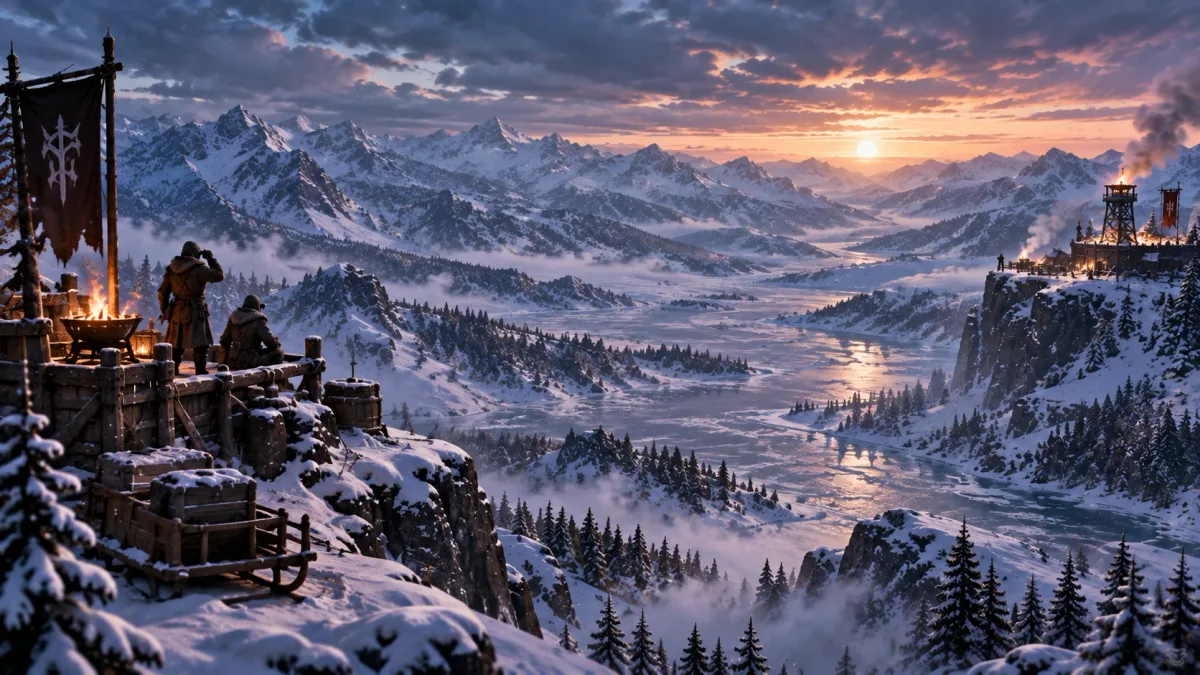
State of Power, commonly shortened to SvS, is a recurring competitive event where your state is matched against another state of comparable strength. Eligibility generally requires reaching a specific Furnace level, and matchmaking weighs the combined troop power of a state's top chiefs along with activity and battle history.
SvS runs across multiple phases:
- Matchmaking, where the system pairs your state against an opponent of similar overall power.
- Preparation, where points come from completing daily tasks like building upgrades, troop training, and beast hunting.
- Battle, where players can teleport into the opposing state's territory to attack for points.
- Field Triage and related closing phases, where remaining points and rankings are finalized.
Rewards span personal prizes (gems, hero shards, fire crystals) and alliance-level prizes (speedups, resources, and rare materials like mythic manuals), which is why SvS is treated as one of the most valuable recurring events in the game. Because matchmaking, phase timing, and battle tactics are detailed enough to need their own space, see our dedicated State of Power guide for the full walkthrough.
Is Whiteout Survival F2P Friendly
Whiteout Survival is playable and genuinely competitive as a free-to-play account, provided progression stays deliberate. F2P success in this game comes down to prioritization rather than raw grinding: focusing gear and hero investment on a core lineup, treating the Furnace as a pace-setter rather than a race, and showing up consistently for the events that hand out manuals and materials rather than only the ones that look exciting.
Common mistakes that hurt F2P accounts specifically include spreading hero resources across too many heroes at once, ignoring daily events because they seem too small to matter individually, and chasing a high Furnace level without the troop and resource base to support it. Our F2P guide goes further into gem-saving priorities, which heroes give F2P accounts the best long-term return, and how to pace spending decisions if you choose to make any at all.
Common Early Mistakes to Avoid
A few patterns show up repeatedly among new chiefs who stall out in their first few weeks:
- Rushing Furnace level in isolation. A high Furnace with weak troops and undeveloped heroes loses to better-balanced lower-level accounts.
- Neglecting resource buildings. Farms, lumber yards, coal mines, and iron works need to scale with the Furnace or you'll hit shortages that stall everything else.
- Spreading hero investment too thin. Leveling ten heroes a little instead of five heroes a lot slows your combat strength growth significantly.
- Skipping daily events. Individually small, but the cumulative materials from daily participation are difficult to replace any other way.
- Joining an inactive alliance, or none at all. Alliance help, alliance events, and SvS all depend on having active alliance mates.
These mistakes and their fixes are covered step by step in our beginner guide, which is built specifically for chiefs in their first few weeks.
What to Read Next
This guide is meant as your starting map for Whiteout Survival, not the final word on any single system. From here:
- New chiefs should start with the beginner guide for a full first-weeks walkthrough.
- Players building their roster should check the heroes guide and current hero tier list.
- Chiefs optimizing combat should read best formations and the chief gear guide.
- Free-to-play chiefs should read the dedicated F2P guide.
- Anyone preparing for competitive play should read the events guide and State of Power guide.
- Still deciding whether to invest time in the game at all? Read our Whiteout Survival review for the editorial verdict.

Ethan Cole is the Guides Editor at LootVora, covering game progression, builds, tier lists, resources, and strategy.